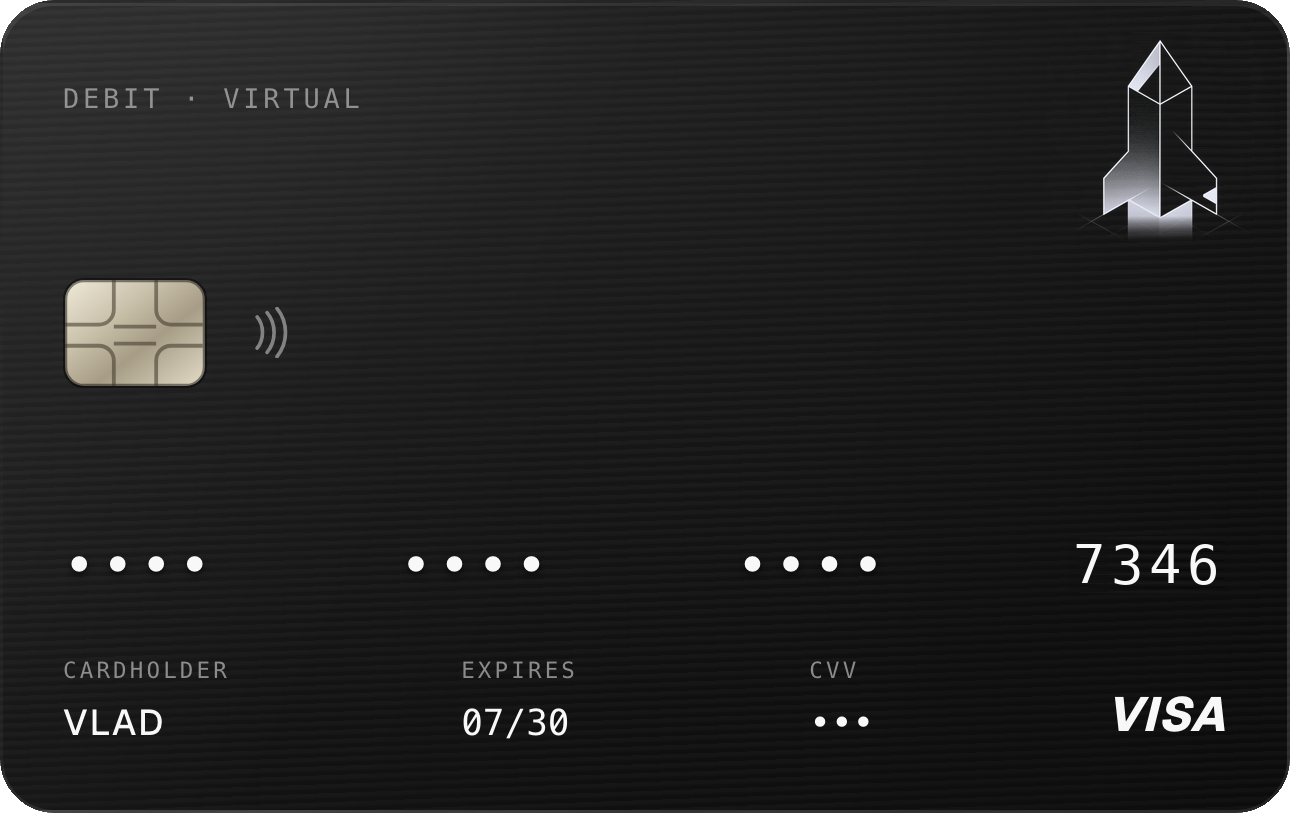
Private banking
for people and
the agents they run.
Transfers are encrypted before they ever leave your account, then settle in 100ms blocks. Each agent gets an account of its own, pays over x402 natively, and can never go a cent past the limits you define.

Wired into the infrastructure agents already use
Software now has
its own bank accounts.
- 01Non-custodial
- 02Confidential
- 03Checked on Robinhood Chain
Right now, AI agents are earning, spending and settling with one another at every hour of the day. Sectoral gives them a private place to do it. It is a non-custodial neobank where people and agents move money confidentially, with each settlement checked on Robinhood Chain.
All the tools of a private bank.
None of the prying.
People and their agents share a single protocol. The chain itself enforces each feature listed here, rather than a promise written in a policy.
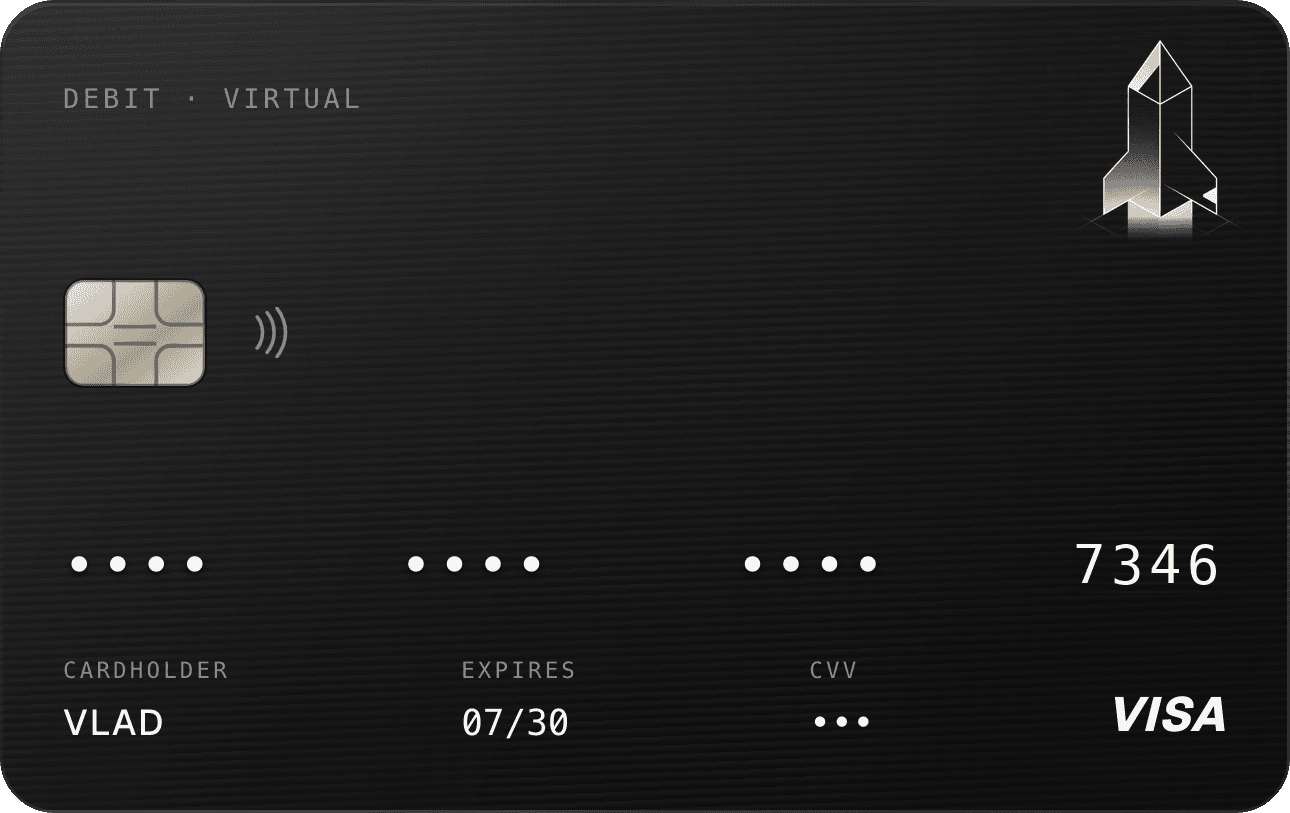
A single account. People and agents alike.
Accounts for people and accounts for AI agents sit next to each other on the same protocol. They are non-custodial, shielded with ZK, and governed by spending policies on-chain rather than rules on a server. Your funds take orders from you, not from a database.
- 1.1Accounts for people
- 1.2Accounts for agents
- 1.3Multi-signature vaults
- 1.4Handles ending in .sectoral
- •••••Settled · 2h ago
- •••••Settled · 1d ago
- •••••Settled · 3d ago
The protocol reverts any attempt to overspend. There is no custodian and no way to override it.
Private from the start. Open to audit on your terms.
ElGamal encryption covers every amount, and ZK range proofs show it is correct. No observer can read it, yet anyone can verify it. Whenever you decide to share, a view key exposes only what you pick and nothing beyond that.
- 2.1Encrypted amounts
- 2.2State kept shielded
- 2.3Range proofs in ZK
- 2.4Read access via view keys
0x1a4b7c9d 3e6f2a1b 8c5d0e4f
0x6b2e9f1a 7c43d8e5 b0f4a29c
Your client does the decrypting, so the plaintext never reaches the chain.
Agents that cover their own costs.
An agent account handles x402 payment requests by itself, without anyone stepping in. Because spending policies live on-chain, no agent can exceed its mandate, and MPP routing breaks each payment apart to keep it private.
- 3.1The x402 protocol
- 3.2Spend policies
- 3.3SDK for agents
- 3.4Routing with MPP
- 3.5Nested agent hierarchies
Each payment takes a private path.
Multi-Path Payments break a transfer into pieces sent along parallel routes, so nobody watching can see all of it. Settlement is still atomic. Stealth addresses keep receipts from being linked together. Anyone trying to surveil it comes away with nothing.
More on protocolShare what you choose. Prove everything.
The chain proves that each transaction happened, while the amounts remain encrypted. A view key gives an auditor read-only access, the public sees nothing, and custody stays with you the whole time.
- 5.1Receipts recorded on-chain
- 5.2Disclosure you control
- 5.3Exports for audits
Lets the holder decrypt only the transfers in scope. You can pull access at any time.
Your auditor sees precisely what you share. To everyone else it stays ciphertext.
Three steps take you from a new account to your first confidential payment.
- Stage 01T-2
Create your account
All it takes is an email and a passkey. We verify your identity a single time, your keys are made on your device, and your balances never leave it unencrypted.
DurationDone in less than two minutes - Stage 02T-1
Add USDG
Move in Global Dollar on Robinhood Chain, or top up straight from a wallet. A small ETH reserve pays gas on its own, so fees never need your attention.
CreditCredited in the next block - Stage 03T-0
Pay in private. Hand work to agents.
Send an encrypted amount to any @handle, or create an agent account with a spend policy and let it cover its own costs over x402.
SettlementSettles in 100ms
Build private banking before the day is out.
One lightweight, typed SDK wraps the REST API. A single client covers accounts, encrypted transfers, agent accounts with spend policies, and webhooks.
- 01Typed end to end, idempotent out of the boxEach create call includes an idempotency key, which makes retries safe even when a process restarts.
- 02Webhooks worth relying onSettlements, policy hits and agent actions each arrive as signed events that a single helper verifies.
- 03Separate test and live keys, with no mode flagThe key prefix tells the client which environment to use, so there is no setting to get wrong.
Plain answers to common questions.
Still curious? Read the complete FAQ.
Does Sectoral make me anonymous?
No, by design. We verify who you are when the account is opened, and your address is visible on-chain. The part we keep hidden is how much moves through the account. Think confidentiality, not anonymity.
Will I need to know how blockchains work?
Not at all. Signing up takes an email and a passkey, much like turning on Face ID in any other app. Key management, encryption and settlement all happen automatically in the background.
What is an agent account, exactly?
Each agent receives a dedicated smart account on Robinhood Chain plus an Agent ID that sits under your parent account. Everything it does is bound by a spend policy you write, covering daily limits, approved recipients, time windows and, if you want one, a threshold above which a human must approve.
Could an agent overspend what I allowed?
It can't. The spend policy is checked before anything gets signed, rather than audited afterwards. A transaction that breaks the policy is never built in the first place.
How do I show a payment to an auditor?
Hand them a view key. It opens read-only access to the specific transfers you choose and nothing more, and you can withdraw it whenever you like. You keep custody throughout.
How much does it cost?
While we are in beta, it's free. The only charge is Robinhood Chain gas, usually a fraction of a cent, and your ETH reserve pays it for you automatically.
Where agents
keep their money.
Get set up in a few minutes. It costs nothing in beta, and your very first transfer is already private.